
013 Tips for keeping meetings running on time (if not early)

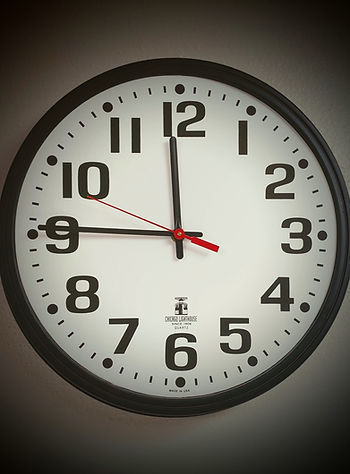
As meeting professionals, we manage the logistics of the business world. But when meetings run late, they wreak havoc on daily schedules and frustrate attendees.
Teaching meeting and event planning has taught me this universal truth: mastering time management is the difference between a productive gathering and an exhausting one.
1. Design with Discipline
Meetings need time budgets just like events need financial ones.
Set realistic durations per topic (five minutes for intros and review at the start, etc.)
Pad transitions where needed—but don’t overstuff the agenda
Create timing cues for speakers (visual clocks, alerts, or countdowns)
2. Train Your Stakeholders
“On time” isn’t a suggestion—it’s a standard.
Communicate early and often: email or talk directly with those involved in managing and speaking at the meeting about your expectations and what happens if the don’t adhere to your time limits. Being consistent at every meeting will instill a culture of being on time and those involved will trust that you will keep things running smoothly.
Hold a pre-meeting briefing with presenters on time limits
The second you let someone start later or go over their allotted time, you lose credibility and trust. Be vigilant about staying on time! It might sound harsh but everyone involved will respect that you are respecting their time and schedule.
Remind attendees of punctuality protocols in invites and signage
Reinforce the culture of timeliness with rewards (like ending early!)
3. The Timekeeper’s Toolkit
Equip yourself with tools to manage the clock discreetly and effectively:
Digital timers or stage managers with silent signals
“Pace charts” for facilitators to track segment timing
Cue cards, light indicators, or time-alert mobile apps
4. When to Flex—and When Not To
Be strategic with your timing rules:
Identify no-fail timings like breaks, meals, or transportation
Build optional buffer zones into your agenda
Know when to extend a meaningful moment—and when to cut politely
5. Celebrate the On-Time Win
Wrap up on time and let everyone feel the power of a well-run meeting:
Acknowledge it aloud: “Thanks to everyone’s focus, we’re wrapping right on schedule”
Share positive feedback to reinforce the habit
Document what worked—and repeat the success (note those speakers who started late or ran over time and meet with them to discuss)
TOOL TIP: Timers/Clocks to help you run meetings on time (links to Amazon):
· Larger option for when you have a stage:
· Smaller option for smaller meetings:



Comments